
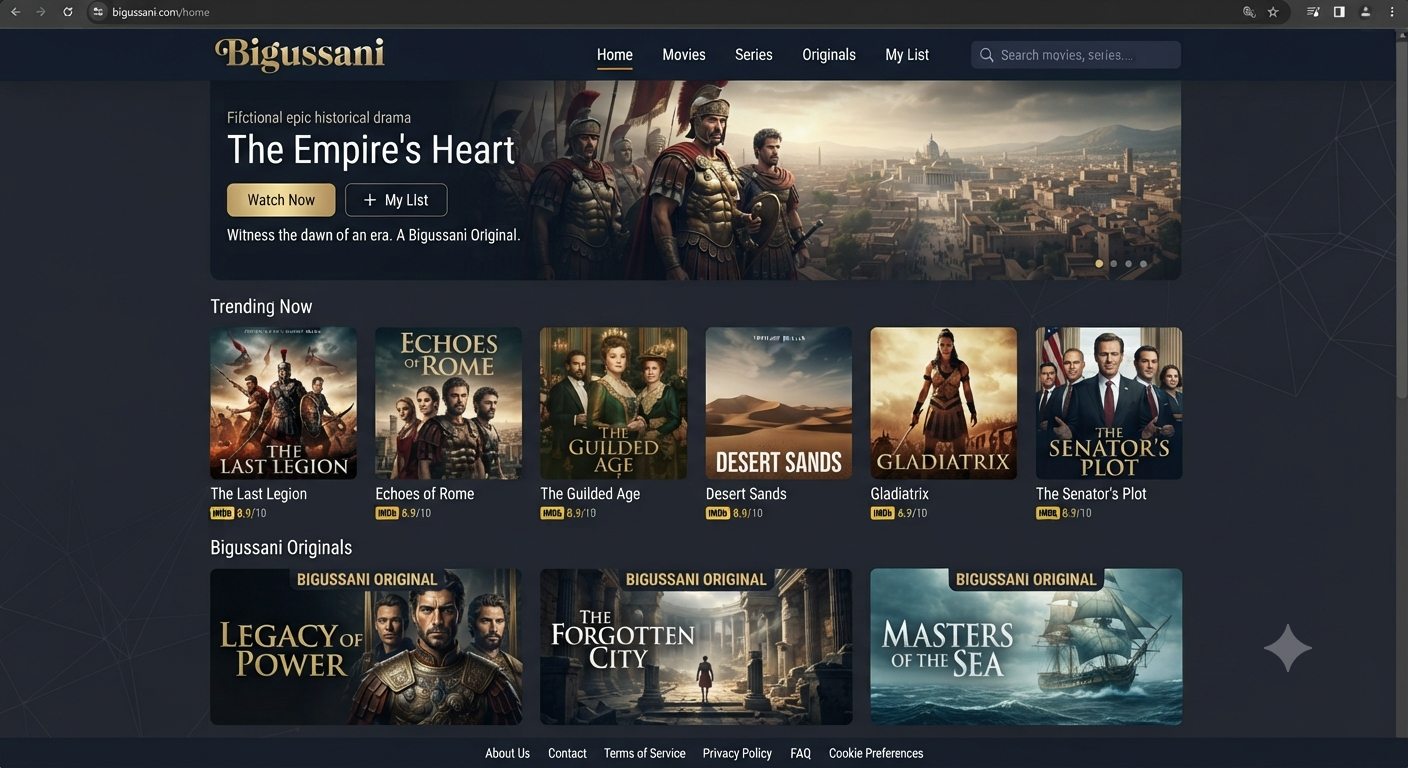
Bigussani is an independent online publication focused on shopping trends, consumer guidance, product discovery, style, and more thoughtful purchasing decisions. Rather than operating like a conventional online store, the platform presents ideas, buying guides, retail observations, and curated product-related content.
The name has also been used to describe a broader philosophy: buy fewer things, choose them carefully, and prioritize lasting usefulness over short-lived excitement. This distinction matters because some third-party pages describe Bigussani as a product or lifestyle brand, while the platform identifies itself as an independent publication and information resource.
This guide explains what the term means, what the website publishes, how its buying philosophy works, and how readers can evaluate its recommendations responsibly.
What Is Bigussani?
Bigussani is a media platform with a focus on retail and an online magazine providing information regarding fashion trends, discovering products, styles, buying guides, and niche finds for contemporary shops. The publication reveals its main purpose as Kylor Eldwain’s brainchild, offering insights into the choices and decisions of the audience. The website gives a specific description of the company; it is not an international concern, manufacturer, retailer, or a single-product company.
The above-mentioned point is vital, as there are some sources referring to Bigussani as a lifestyle-products company, multifunctional, fashion accessories, wellness, marketplace, or smart-shopping label. Simultaneously, the publication describes itself as an independent entity, engaging in product reviewing, discovery, and retail-oriented content creation. I can conclude that the website is a media platform providing e-commerce content with fashion, retail, and lifestyle news at its core.
The Meaning Behind Bigussani
The term does not appear to be a traditional dictionary word. Instead, the website presents it as a name connected with a more deliberate approach to shopping.
Its central idea is simple: buy less, but buy better.
That means moving away from automatic purchases, endless trend chasing, and impulse-driven online shopping. The philosophy encourages shoppers to consider whether an item will genuinely improve daily life before spending money on it.
Under this interpretation, Bigussani represents several related habits:
- Comparing products before ordering
- Valuing usefulness alongside appearance
- Avoiding unnecessary duplicate purchases
- Choosing quality when it offers better long-term value
- Looking beyond advertising claims
- Considering how frequently an item will be used
- Separating genuine needs from temporary excitement
This makes the concept relevant to people who enjoy discovering products but do not want every discovery to become a purchase.
Is Bigussani a Brand, Product or Website?
Bigussani is primarily presented as a website and independent information publication. It does not describe itself as a factory producing one standardized range of goods.
One page on the platform explains that a so-called Bigussani product is not necessarily made in a single factory. Instead, the phrase may refer to an item selected because it meets certain standards involving quality, design, practicality, and usefulness.
That makes the name closer to an editorial identity or selection philosophy than a conventional product label.
Why Search Results Create Confusion
Several external articles use phrases such as “buy Bigussani” and describe it as if it were one clearly defined commercial product. Some characterize it as an all-in-one tool, while others call it a lifestyle brand selling watches, accessories, or wellness products.
However, these descriptions do not align neatly with one another. They may be based on broad keyword interpretations rather than a verified product catalog.
Readers should therefore distinguish between:
- The official Bigussani website, which presents itself as an information resource
- Third-party descriptions, which may use the term loosely or commercially
- Individual products featured in articles, which may be recommendations rather than products manufactured by the platform
This distinction prevents shoppers from assuming that every item associated with the keyword comes from the same company.
What Type of Content Does Bigussani Publish?
The platform focuses broadly on shopping, lifestyle choices, product discovery, and consumer decision-making. Its homepage mentions retail shopping trends, must-have picks, style spotlights, buying guides, and distinctive finds.
The content can generally be grouped into several categories.
Shopping Guides
Shopping guides help readers understand what to consider before purchasing a product. A useful guide should explain important features, common limitations, typical use cases, maintenance requirements, and value for money.
The strongest guides do more than praise an item. They help readers decide whether they need it at all.
Unique Product Discoveries
Many shoppers visit content platforms because they want to find products they would not encounter in an ordinary store. Bigussani places emphasis on unique finds, which may include clever household items, accessories, design-led products, or practical tools.
Novelty alone, however, does not make a product worthwhile. A useful discovery should solve a real problem, simplify a routine, or provide lasting enjoyment.
Style and Lifestyle Content
The publication also discusses style-focused choices. This may include accessories, personal items, home-related products, and emerging retail aesthetics.
Style content is most helpful when it explains how a product fits into real life rather than merely describing it as attractive or fashionable.
Consumer Education
The platform’s broader message supports more thoughtful consumption. This includes asking better questions, understanding marketing tactics, and recognizing how urgency can influence buying behavior.
Consumer education can be especially valuable when online stores use countdown timers, low-stock warnings, influencer endorsements, and limited-time discounts to accelerate decisions.
The Core Principles of the Bigussani Philosophy
The Bigussani approach can be reduced to a practical set of shopping principles.
1. Purchase With a Clear Purpose
Every purchase should have a reason beyond momentary excitement.
Before checking out, identify the exact problem the product solves. A vague answer such as “it looks useful” is weaker than a specific answer such as “this will replace three tools I use every week.”
Purpose-driven buying reduces clutter and buyer’s remorse.
2. Focus on Cost Per Use
A low price does not always mean good value. An inexpensive item used once may cost more per use than a durable item used hundreds of times.
To estimate cost per use, divide the total price by the number of times you realistically expect to use the item.
For example:
- A $20 accessory used twice costs $10 per use
- An $80 bag used 200 times costs $0.40 per use
- A $150 appliance used 500 times costs $0.30 per use
This calculation is not perfect, but it encourages long-term thinking.
3. Separate Features From Benefits
Product listings often present long feature lists. Yet a feature matters only when it produces a meaningful benefit.
A water bottle may have a digital display, detachable strap, filter compartment, temperature sensor, and decorative lighting. None of those features automatically makes it better.
Ask three questions:
- Will I use this feature regularly?
- Does it solve a genuine problem?
- Does it make the product easier or harder to maintain?
Extra functions can improve value, but they can also create more failure points.
4. Check the Evidence Behind Claims
Terms such as premium, eco-friendly, professional-grade, ergonomic, and clinically inspired can sound impressive without proving anything.
Look for measurable details instead:
- Material type
- Dimensions
- Weight
- Capacity
- Warranty length
- Testing standards
- Care instructions
- Replacement-part availability
- Verified customer feedback
Specific evidence is more useful than persuasive adjectives.
5. Consider the Entire Ownership Experience
The purchase price is only one part of ownership.
A product may also require:
- Replacement filters
- Batteries
- Subscription fees
- Specialist cleaning
- Proprietary accessories
- Software updates
- Repair costs
- Storage space
The Bigussani mindset encourages shoppers to consider these hidden commitments before buying.
How to Use Bigussani as a Shopping Resource
A content platform should support your research, not replace it. Recommendations can introduce useful products, but the final decision should be based on your needs, budget, and independent verification.
Start With the Problem
Do not begin with the product. Begin with the task you want to improve.
For example, instead of searching for “the most innovative kitchen gadget,” define the real need:
I need a faster way to prepare vegetables because I cook five evenings per week.
This framing makes it easier to reject products that look impressive but do not solve the correct problem.
Create a Short Buying Checklist
Write down three essential requirements and two optional preferences.
For a travel bag, the checklist might include:
Essential
- Fits airline cabin limits
- Has comfortable shoulder support
- Uses water-resistant material
Optional
- Includes a laptop compartment
- Comes in a neutral color
This prevents attractive extras from distracting you from core needs.
Cross-Check Important Information
Before buying a product featured on Bigussani or any other recommendation site, verify details through:
- The manufacturer’s official page
- The retailer’s return policy
- Independent customer reviews
- Product manuals
- Warranty terms
- Trusted testing organizations
- Demonstration videos from credible reviewers
Cross-checking is especially important for expensive, electrical, health-related, or safety-related products.
Compare Alternatives
A recommendation may be useful without being the best choice for every reader.
Compare at least three options based on:
- Price
- Materials
- Core functionality
- Durability
- Warranty
- User complaints
- Repairability
- Delivery costs
- Return conditions
A simple comparison often reveals that the most heavily promoted option is not the strongest overall value.
How to Evaluate Content on Bigussani
Readers should assess Bigussani articles with the same care they would apply to any shopping publication.
Look for Clear Product Identification
A useful article should name the item, manufacturer, model, or category clearly. Vague content makes independent verification difficult.
Avoid assuming that similar-looking products are identical. Different sellers may use the same photographs while offering items with different materials or specifications.
Check Whether Claims Are Supported
Strong consumer content distinguishes between:
- Confirmed specifications
- Editorial opinion
- User-reported experience
- Marketing claims
- Reasonable assumptions
Statements about durability, health benefits, safety, or performance deserve evidence.
Watch for Commercial Relationships
Shopping publications may earn revenue through advertising, sponsored content, guest posts, or affiliate links. That business model is common, but commercial relationships should be transparent.
A third-party guest-post marketplace lists Bigussani within shopping and fashion categories and advertises paid publication opportunities on the domain. Readers should therefore evaluate individual articles on their own quality, sourcing, and disclosure rather than assuming every page follows the same editorial process.
Review the Date
Product recommendations can age quickly.
Prices change. Models are discontinued. Software support ends. Retailers alter warranties, and newer versions may fix old problems.
Always check when an article was published or updated, particularly when it discusses technology, appliances, beauty devices, or subscription-based services.
Benefits of the Bigussani Approach
The platform’s smarter-consumption philosophy can produce several practical benefits.
Less Impulse Spending
Pausing to evaluate usefulness creates distance between desire and action. Even a 24-hour delay can expose whether a purchase is genuinely valuable or simply emotionally appealing.
Better Product Satisfaction
People are more likely to appreciate products that match a defined need. Careful evaluation reduces disappointment caused by unrealistic expectations.
Reduced Household Clutter
Intentional buying limits the number of unused organizers, gadgets, accessories, and duplicate items entering the home.
Stronger Long-Term Value
Choosing durable products can reduce replacement frequency. The upfront cost may be higher, but total ownership costs may be lower.
More Confident Decisions
Structured research replaces guesswork. Instead of asking, “Does this look good?” shoppers ask, “Does this meet my requirements better than the alternatives?”
Limitations Readers Should Understand
Bigussani can support product discovery, but it should not be treated as the sole authority for every buying decision.
The platform covers broad lifestyle and retail topics, which means the depth and sourcing of individual articles may vary. Some subjects may require expertise beyond general shopping commentary.
Be particularly cautious when content relates to:
- Medical or wellness claims
- Financial products
- Child safety
- Electrical equipment
- Protective gear
- Supplements
- Data privacy
- High-value purchases
For these categories, prioritize qualified experts, official standards, independent laboratory testing, and primary documentation.
Another limitation is ambiguity surrounding the name itself. Because external pages have described the term in conflicting ways, readers should confirm exactly what product, service, or website a page is discussing before acting on its advice.
A Practical Bigussani Buying Framework
Use this seven-step framework whenever you discover an appealing product.
- Define the need. Write one sentence explaining the problem.
- Set a budget. Include delivery, maintenance, and accessories.
- List essential features. Keep the list short and realistic.
- Find three alternatives. Avoid evaluating only one promoted option.
- Check independent evidence. Read specifications and critical reviews.
- Review seller protections. Confirm returns, warranty, and payment security.
- Delay non-urgent purchases. Reconsider after at least 24 hours.
A product that still makes sense after these steps is more likely to provide lasting value.
Frequently Asked Questions About Bigussani
What does Bigussani mean?
Bigussani is a name used by an independent shopping and lifestyle publication. The website also uses the term to describe a philosophy of more intentional consumption—buying fewer products, choosing better-quality items, and avoiding mindless impulse purchases.
Is Bigussani an online store?
The official website presents Bigussani primarily as an information resource and independent publication, not as a conventional retailer with one unified product catalog. It publishes shopping guidance, retail trends, style content, and product discoveries.
Can I buy a Bigussani product?
The phrase “Bigussani product” may refer to an item recommended or selected under the platform’s standards rather than something manufactured by a company named Bigussani. Confirm the actual brand, manufacturer, seller, specifications, and warranty before ordering.
Is Bigussani a trustworthy source?
It can be used as a starting point for product discovery and shopping ideas, but trust should be evaluated article by article. Check whether the content identifies products clearly, supports important claims, discloses commercial relationships, and links recommendations to verifiable evidence.
How should I use Bigussani before purchasing something?
Use the platform to discover ideas and understand product categories. Then compare alternatives, review official specifications, inspect customer complaints, confirm the return policy, and calculate the total ownership cost before making a final decision.
Conclusion: Turn Product Discovery Into Better Decisions
Bigussani is best viewed as a shopping-information platform and intentional-buying philosophy, not simply a single product or conventional retail brand. Its most useful message is also its simplest: purchases should earn their place in your life.
Use its guides for inspiration, but remain an active researcher. Define your need, compare options, inspect the evidence, check seller protections, and resist artificial urgency.
The next time an exciting product appears on your screen, do not immediately ask whether you can afford it. Ask whether it solves a real problem, whether you will use it often, and whether a better alternative exists.
