
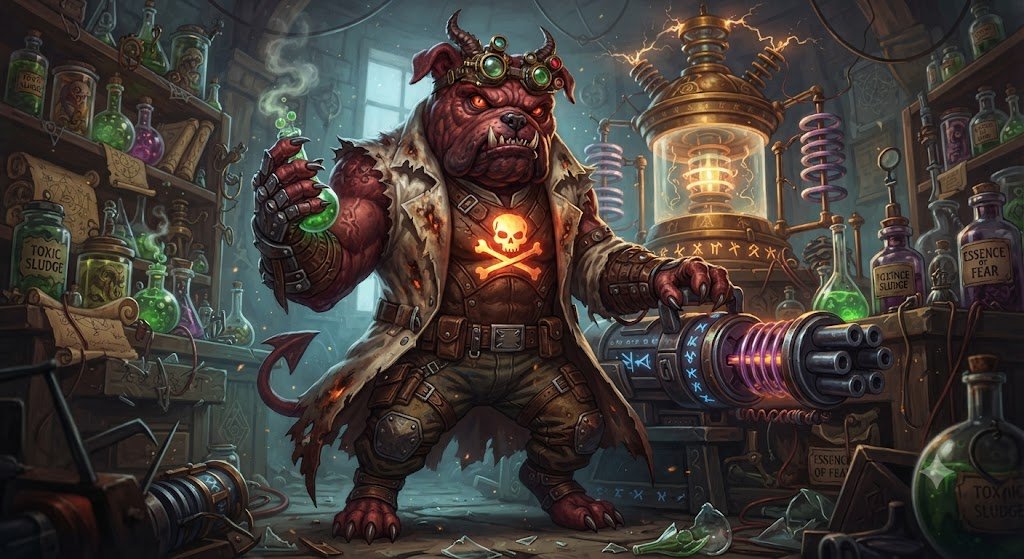
Drbulldevil is an unusual search term surrounded by confident explanations but very little primary evidence. Some pages describe it as a digital persona, while others call it a creator brand, blog, movement, or figure connected with technical and scientific themes. The responsible answer is more precise: the term appears to function mainly as a distinctive online name whose ownership, origin, and official purpose have not been reliably established.
That distinction matters. When a keyword has no clear official website, verified social account, public registration, or traceable creator statement, repeating attractive stories does not improve the reader’s understanding. It creates an illusion of certainty.
This guide separates what can be observed from what has merely been asserted. It also explains why the name remains searchable, memorable, and potentially valuable as a digital identity.
What Is Drbulldevil?
The most accurate explanation of the name is that it is a coined digital identity. It is similar to usernames, pseudonyms, character names, project names, or brand names, rather than a known word or a recognized public entity.
The search yields multiple interpretations of the name; however, it does not provide evidence of a singular independent entity. A few articles give different perspectives on the name, such as digital identification, gaming-related handle, conceptual idea, or brand name. On the other hand, the articles do not provide first-hand information that proves the name’s initial ownership, time of conception, or any other related activities.
The Simplest Accurate Definition
A practical definition is:
Drbulldevil is a distinctive, apparently invented online name that may be used as a handle, fictional persona, creative identity, or brand, but no single authoritative meaning is publicly confirmed.
This explanation may sound less dramatic than claims about a global movement or famous creator. It is also more useful because it protects readers from mistaking speculation for biography.
Breaking Down the Name Drbulldevil
The term appears to combine three familiar English elements: “Dr,” “bull,” and “devil.” This structure naturally invites symbolic interpretation, which explains why so many articles attach a personality to it even when no creator statement is available.
“Dr” commonly signals expertise, intelligence, authority, or a character role. “Bull” can suggest physical power, persistence, aggression, financial optimism, or stubbornness. “Devil” adds rebellion, danger, mischief, darkness, or theatrical intensity.
Put together, this construction creates a strong tonal contrast:
- Authority: implied by “Dr”
- Strength: communicated by “bull”
- Defiance: suggested by “devil”
- Memorability: produced by the unexpected combination
- Character potential: useful for gaming, fiction, streaming, art, or entertainment
These associations are linguistic interpretations, not verified facts about the person or organization behind the term. A name can imply a persona without proving that such a persona has an established public history.
Why Are Search Results About Drbulldevil So Inconsistent?
The central issue is not a lack of articles. It is a lack of primary-source grounding.
One page presents the term as a broad creative philosophy and online movement. Another cautiously treats it as an unknown username. Others describe a successful creator ecosystem, influential blog, or cultural icon, despite offering little visible evidence for those histories.
This pattern can emerge when publishers notice a low-competition keyword and create explanatory content around it. Later pages may repeat earlier assumptions, expand them, and gradually make the subject sound more established than the available evidence supports.
Search Repetition Is Not Independent Confirmation
Ten pages repeating a claim do not automatically create ten independent sources. They may be paraphrasing the same unsupported narrative or copying the structure of pages already ranking for the keyword.
Independent confirmation normally requires evidence such as:
- An official domain controlled by the named entity
- A verified or long-established social profile
- Archived posts showing a consistent history
- Interviews or statements from the creator
- Business, trademark, publication, or organization records
- Coverage by reputable outlets with named sources
- Original media clearly connected with the identity
Without those signals, claims about origin stories, audience size, professional qualifications, cultural influence, or platform activity should remain unconfirmed.
Is Drbulldevil a Real Person?
It may be a real person’s handle, but the public search evidence does not establish a verified individual behind the name. That means it would be inappropriate to invent a biography, profession, location, education, medical background, or personal history.
Some ranking pages use language that implies a known blogger, creator, physician, collective, or anonymous cultural figure. Yet those descriptions conflict with one another, which weakens their reliability rather than strengthening it.
A pseudonym can belong to a genuine user while remaining publicly unverified. The correct editorial approach is to describe the observable digital footprint and clearly label all interpretations as possibilities.
Is Drbulldevil a Brand, Blog, or Online Community?
There is not enough reliable evidence to confirm any one of those categories as the official answer. The name is certainly brand-compatible, and numerous publishers discuss it in branding terms, but brand potential is different from an operating brand.
A genuine brand footprint usually contains consistent naming, visual identity, owned channels, contact information, products, services, or a documented publishing history. The available results are dominated by third-party explainers rather than a clearly identifiable official hub.
What the Name Could Realistically Support
Because the term is memorable and highly distinctive, it could be developed into:
- A gaming or streaming identity
- A fictional antihero or comic character
- A digital art project
- A technology or commentary blog
- A streetwear or entertainment brand
- A podcast persona
- A creative community with a rebellious visual style
These are strategic use cases, not claims that those projects already exist. Anyone evaluating the name commercially should still conduct username, domain, trademark, and reputation checks before investing.
Why the Keyword Attracts Attention
Curiosity is the most likely search driver. People encounter an unfamiliar term and want a direct answer: Who or what is it?
The name performs well as a curiosity trigger because it combines authority and danger in a compact phrase. It sounds intentional, visual, and character-driven. Readers may assume there is an interesting story behind it even when the public record is incomplete.
The name also benefits from a phenomenon common to obscure queries: once several sites publish definitions, the search results themselves make the term appear more established. That perceived legitimacy can generate additional searches, more articles, and still more interpretations.
The Digital-Identity Value of Drbulldevil
Even without a confirmed origin story, the term offers a useful case study in online identity construction. Strong handles often compress a personality, promise, or emotional tone into a few syllables.
It communicates intensity immediately. It is not neutral, corporate, or descriptive. That can help a creator stand out, but it can also limit partnerships, audience age ranges, advertising compatibility, and trust in professional settings.
Strengths as a Digital Handle
The name has several branding advantages:
- It is unusual and easier to distinguish than a generic handle.
- It creates an immediate visual and emotional impression.
- It can support a mascot, logo, avatar, or fictional narrative.
- It is flexible enough for gaming, commentary, art, or entertainment.
- It encourages curiosity and word-of-mouth recall.
- It provides a clear foundation for bold visual branding.
The three-part construction could also support a recognizable character system. A creator might build visual assets around intelligence, physical force, and rebellion without needing to explain the concept repeatedly.
Weaknesses and Reputational Risks
The same intensity creates significant constraints:
- “Dr” may imply credentials that the user does not possess.
- “Devil” may alienate family-friendly, religious, educational, or conservative audiences.
- The full term may sound aggressive or immature in professional markets.
- Existing speculative articles could confuse future brand positioning.
- A new owner may struggle to control misinformation already indexed online.
- Searchers may expect controversial, adult, supernatural, or confrontational content.
For commercial use, the owner would need a clear About page, consistent profiles, visible authorship, and an unambiguous disclaimer explaining the meaning of “Dr.”
How to Verify Any Drbulldevil Profile or Claim
Do not rely only on a page title, confident introduction, or search snippet. Use a structured verification process before trusting an account, biography, product, or professional claim.
1. Find the Earliest Traceable Source
Look for the oldest account, post, domain registration, archived page, or community mention associated with the exact spelling. Earlier evidence is not automatically authentic, but it can reveal whether later articles are recycling a newer narrative.
Pay attention to dates. A page claiming that an identity has existed for years should be able to point to material published during that period.
2. Check Cross-Platform Consistency
Compare usernames, biographies, profile images, linked domains, posting styles, and account creation dates. A genuine digital identity usually shows some continuity.
Impersonators and opportunistic accounts often contain mismatched details. They may use copied artwork, recently created profiles, unrelated links, or inconsistent descriptions across different platforms.
3. Look for Ownership Signals
Official profiles commonly link to one another. A website may link to a social account, which links back to the same domain, email address, store, or creator page.
This reciprocal linking does not guarantee authenticity, but it creates a stronger ownership trail than an isolated account with no external connections.
4. Demand Evidence for High-Stakes Claims
Claims involving medical expertise, scientific work, finance, cybersecurity, legal advice, or professional qualifications require stronger proof. A title embedded in a username is not a credential.
Check licensing bodies, educational institutions, employer directories, professional associations, peer-reviewed publications, or official corporate records where applicable.
5. Separate Content From Commentary
A page discussing what Drbulldevil “could symbolize” is offering interpretation. A page documenting original posts, dated statements, registered ownership, or direct interviews is offering evidence.
Both forms of content can be useful, but they should never be presented as interchangeable.
6. Examine Commercial Requests Carefully
Be cautious if an unknown account requests payment, cryptocurrency, identity documents, passwords, private photographs, or access to financial accounts. Distinctive branding can make an account appear credible before its identity has been established.
Use protected payment methods and verify the seller independently before making a purchase.
Common Misconceptions About Drbulldevil
The first misconception is that a large number of search results proves a large real-world following. Search visibility can be created by publishers targeting the same keyword. It does not necessarily indicate a substantial audience or organized community.
The second misconception is that the name belongs to a doctor. “Dr” can be decorative, fictional, humorous, or brand-oriented. Unless professional credentials are independently verifiable, readers should not treat the title as evidence of medical or academic authority.
The third misconception is that every detailed origin story must come from research. Specificity can be fabricated. Dates, platforms, communities, motivations, and milestones still require sources.
The fourth misconception is that ambiguity itself proves a deliberate anonymous-brand strategy. Sometimes ambiguity is intentional. Sometimes there is simply not enough information.
The fifth misconception is that a polished article must be accurate. Professional formatting, long explanations, and confident wording can make unsupported claims feel credible without providing any genuine verification.
Could Drbulldevil Become a Legitimate Brand?
Yes, but only through deliberate ownership and trust-building. Distinctiveness gives the name a head start; credibility would still need to be earned.
A serious launch should establish:
- A canonical website explaining the project
- Consistent handles across major platforms
- A verifiable owner or transparent pseudonymous policy
- Original content with clear publication dates
- A recognizable logo and visual system
- Contact, privacy, and terms pages
- Trademark screening in relevant jurisdictions
- A process for correcting inaccurate third-party claims
The owner should also define whether the name represents a person, character, company, publication, or community. Trying to occupy every category at once would reproduce the same confusion visible in current search results.
Positioning Options for the Brand
A strong positioning strategy could choose one clear direction:
Gaming persona: Competitive content, streaming, reviews, commentary, or fictional lore.
Creative publication: Essays, digital artwork, experimental media, and independent cultural commentary.
Fictional character: Comics, animation, collectibles, storytelling, or narrative-driven merchandise.
Entertainment brand: Humorous videos, reaction content, podcasts, or provocative commentary.
The weakest strategy would be to describe the identity using vague claims about innovation, influence, and authenticity without publishing distinctive original work.
What Content Publishers Should Say About Drbulldevil
Publishers should lead with uncertainty rather than hide it. A transparent article can still satisfy search intent, rank well, and deliver more information gain than a fictionalized biography.
The editorial standard should be simple:
- State what is verifiable.
- Identify what is interpretation.
- Cite original sources wherever possible.
- Avoid inventing followers, achievements, credentials, or history.
- Update the article when an official source emerges.
- Include the date on which the search landscape was reviewed.
- Correct claims that can no longer be supported.
This approach aligns better with E-E-A-T because trust is not created by sounding certain. It is created by showing readers where certainty ends.
Why Transparency Is the Better SEO Strategy
Unsupported articles may initially rank because they match the keyword exactly. Their long-term value is weaker because they provide no reliable answer, no primary documentation, and little reason for readers to trust the publisher.
An evidence-led page has a stronger editorial purpose. It answers the query, analyzes the conflicting results, teaches verification, and remains accurate even when the subject cannot yet be conclusively identified.
The Most Reliable Takeaway
As of July 18, 2026, Drbulldevil is best understood as an obscure, highly brandable digital term with multiple speculative explanations but no clearly established public definition. The available search results support the possibility that it functions as a username or creative identity; they do not reliably prove a specific creator, movement, profession, or origin story.
That answer may evolve if an official account, domain, creator statement, or documented project becomes discoverable. Until then, readers should treat elaborate narratives as unverified commentary.
Frequently Asked Questions
What does Drbulldevil mean?
Drbulldevil has no confirmed dictionary or official public definition. Linguistically, it appears to combine authority through “Dr,” power or persistence through “bull,” and rebellion or danger through “devil.”
This makes it suitable as a bold username, fictional persona, entertainment identity, or creative brand. Those symbolic associations should not be confused with a verified origin story.
Who is behind Drbulldevil?
No clearly verified person or organization can be identified from the available public evidence. Articles that describe a specific blogger, doctor, creator, collective, or movement should provide first-party documentation before those claims are accepted.
A person may use the name privately or within a small community. That possibility does not establish which public account, if any, is authentic.
Is Drbulldevil a real doctor?
The name alone does not prove medical, academic, or professional credentials. “Dr” is frequently used in fictional names, stage identities, gaming handles, humorous titles, and brand names.
Before trusting health or technical advice from any account using the title, verify the person through licensing databases, institutional profiles, published qualifications, and consistent official links.
Why is Drbulldevil appearing in search results?
The term attracts curiosity because it sounds like a distinctive persona or brand. Multiple publishers have produced explanatory pages about it, using conflicting definitions ranging from a username to a creative movement.
This publishing activity can increase search visibility without resolving the underlying identity. More indexed articles do not necessarily mean that more reliable information exists.
Is It Safe to Interact With a Drbulldevil Account?
Safety depends on the specific account, not the name. Check its age, posting history, linked websites, identity consistency, independent reviews, and requests for money or personal data.
Do not assume legitimacy because a profile has professional graphics or appears in search results. Professional, scientific, financial, or medical claims should be independently verified before you act on them.
Conclusion: Treat the Name as Unverified Until Evidence Appears
Drbulldevil is memorable, searchable, and rich in branding potential, but its public story remains unsettled. The safest and most accurate position is to treat it as an unverified digital identifier rather than a confirmed celebrity, doctor, movement, platform, or established organization.
Before sharing a biography, following professional advice, sending money, or citing a supposed origin story, locate the primary source. Look for official ownership links, documented publication history, genuine credentials, and consistent first-party statements.
For publishers, the next step is equally clear: document evidence, label interpretation, and update the page when verifiable ownership emerges. Accuracy is the strongest differentiator in a search result filled with confident contradictions.
