
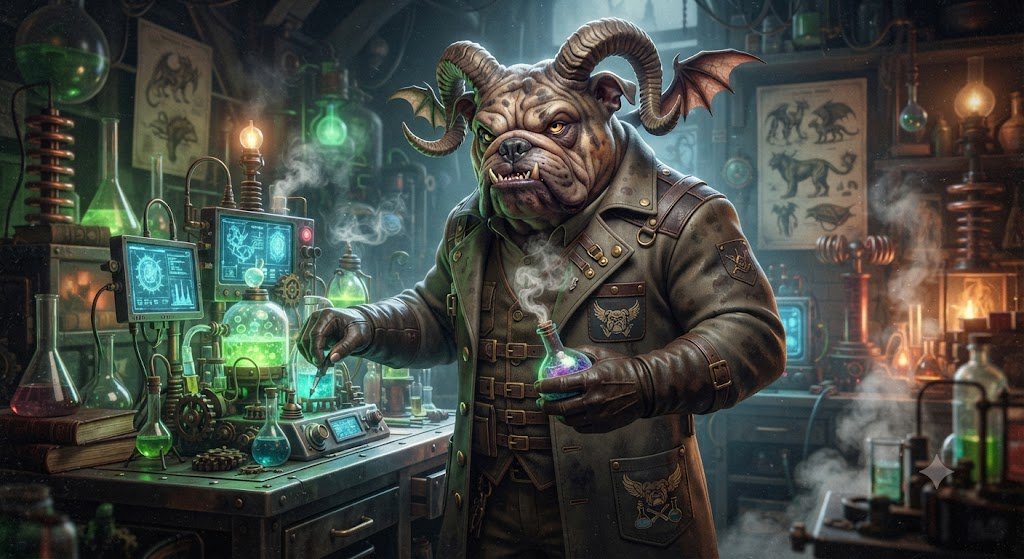
Drbulldevil is an unusual search term surrounded by confident explanations but very little verifiable evidence. Some pages describe it as a gamer identity, creator brand, philosophy, blog, digital movement, technology platform, or anonymous online figure. The problem is simple: those descriptions frequently contradict one another, and most provide no primary source proving who created the name or what it officially represents.
That uncertainty does not make the topic meaningless. It makes careful research more important. This guide separates documented information from speculation, explains why ambiguous names spread online, shows how to evaluate any account using the label, and gives readers a practical verification process before they follow links, share personal information, purchase merchandise, or repeat unsupported claims.
What Is Drbulldevil?
The most accurate answer is that Drbulldevil appears to be an unverified online moniker or meme, rather than a legitimate publicly traded entity, certified software, licensed professional service, or recognized movement. The search results present conflicting information, and it proves difficult to identify a singular source, website, social media account, public statement, or founding document that offers credible, undisputed information about its origins.
The top result describes this term as a multi-platform “gaming handle and content branding,” while the second one refers to it as a “philosophical view of the world and rebellious nature.” The first link mentions that Drbulldevil has “complicated history” but actively uses this label for streaming, eSports, merchandising, and social media. In contrast, the second one claims that the origins are “buried in the underground,” thus failing to provide credible evidence for public review.
The Clearest Working Definition
Until a primary source emerges, the safest definition is this: Drbulldevil is a distinctive internet name whose meaning depends on the account, website, creator, or community using it. It may function as a username, fictional persona, brand concept, content label, or experimental keyword. Readers should not assume that every page using the term belongs to the same entity.
Why Online Explanations Conflict
Ambiguous keywords create an information vacuum. When people begin searching a term that has no official reference page, publishers can rank by producing an explanation quickly. One article copies the assumptions of another, speculative details become repeated “facts,” and search results gradually create the appearance of a real history even when no original evidence has been supplied.
That pattern is visible here. One article says the name may represent a streamer, platform, tool, or fictional character. Another states that it is simultaneously a blog, persona, philosophy, and movement. A third search result offers only a fragment about a missing conventional biography. These are not minor differences; they are fundamentally different identity claims.
Repetition Is Not Verification
Ten websites repeating the same claim do not equal ten independent sources. They may all be recycling one unsupported paragraph. Strong verification requires a traceable origin, such as an official profile linked from other official properties, an archived launch announcement, business registration, trademark record, named founder, consistent publishing history, or reputable third-party coverage.
The Possible Meaning Behind the Name
The word can be broken into three recognizable components. “Dr” commonly signals expertise, education, authority, or a fictional title. “Bull” suggests force, persistence, confidence, or confrontation. “Devil” often adds rebellion, danger, provocation, dark humor, or an anti-hero aesthetic. Combined, the phrase sounds intentionally dramatic and memorable.
That linguistic reading is plausible, but it is still interpretation rather than confirmed brand history. A creator may have selected the name for entirely personal reasons, as an inside joke, a gaming reference, or simple availability. Therefore, readers can discuss the symbolism of Drbulldevil without presenting that symbolism as proof of the creator’s identity, credentials, intentions, or professional status.
Is “Dr” Evidence of Medical or Academic Credentials?
No. A title embedded in a username does not establish that the account owner is a physician, researcher, professor, or licensed professional. Credentials should be verified through the relevant licensing body, employer page, university profile, publication record, or another authoritative directory before health, scientific, financial, or legal advice is trusted.
Is Drbulldevil a Person, Brand, Blog, or Community?
It could be any of those things in a limited context, but the available evidence does not support one universal classification. A username can be adopted independently by different people, and a phrase can be reused in articles, artwork, gaming profiles, merchandise, or social posts without a formal relationship between those uses.
The responsible approach is to evaluate the exact property you encounter. Ask whether the website links to matching social accounts, whether those accounts link back, whether the name and visual identity remain consistent, and whether older posts show a believable history. A genuine creator ecosystem usually leaves a coherent trail; an invented narrative often consists of recent articles citing no primary material.
What Would Confirm an Official Identity?
A credible confirmation would include several connected signals:
- An official website with a clear About page, contact information, ownership details, and editorial policy
- Social profiles that cross-link to the same domain and use consistent branding
- A long, dated publishing history rather than several recently created pages
- Original videos, posts, artwork, or statements that establish authorship
- Independent references from reputable publications or recognized communities
- Transparent commercial terms for products, memberships, sponsorships, or services
No single signal is perfect. Together, however, they create a much stronger basis for trust than a keyword-focused article that simply declares what Drbulldevil “is.”
Why Drbulldevil May Be Appearing in Search Results
Rare or invented terms can become visible quickly because competition is initially low. A handful of optimized articles may occupy most of the first page, especially when the search engine has limited authoritative material to compare. That visibility can look like cultural popularity, but ranking presence alone does not prove widespread usage, audience size, or real-world influence.
The keyword also has qualities that attract clicks: it is strange, brandable, emotionally charged, and difficult to interpret at a glance. Curiosity creates searches, searches encourage publishers to produce content, and new content generates more apparent legitimacy. This feedback loop can turn a small or artificial query into a recognizable micro-topic without establishing a verified underlying entity.
Search Visibility Versus Genuine Popularity
To judge genuine popularity, look beyond the number of articles. Check for sustained discussion by real users, dated mentions across independent platforms, organic comments, original media, community participation, branded search variations, and direct navigation to an official property. A topic supported mainly by generic explainers may be an SEO-created entity rather than an established public phenomenon.
How to Verify a Drbulldevil Website or Account
Start with provenance. Identify the earliest post you can find, then inspect whether later profiles link back to it. Search exact usernames in quotation marks, compare profile creation dates, review archived pages when available, and look for a consistent biography. Do not treat a polished logo, follower count, or professional design as proof of authenticity.
Next, examine the technical and commercial footprint. ICANN provides a registration-data lookup tool for domain names, although privacy services may limit visible ownership details. Trademark databases operated by organizations such as the USPTO and WIPO can also help determine whether a name has been formally claimed for particular goods or services, but the absence of a registration does not prove fraud or non-ownership.
A Practical Verification Checklist
Before trusting an account, website, or offer associated with Drbulldevil, check the following:
- Identity: Is a real operator, company, or editorial team named?
- History: Does the account have older, consistent, original activity?
- Cross-links: Do official-looking properties verify one another?
- Contact details: Is there a domain-based email and usable contact process?
- Claims: Are credentials, partnerships, audience numbers, and awards documented?
- Security: Does the site use HTTPS, clear policies, and reputable payment systems?
- Reputation: Are independent reviews specific, varied, and written over time?
- Pressure: Does anyone demand urgent payment, cryptocurrency, gift cards, passwords, or sensitive documents?
If several answers are missing, pause. Ambiguity may be part of a fictional persona, but it is unacceptable when money, private data, professional advice, or account access is involved.
Safety Risks Around Unverified Digital Identities
An unclear identity is not automatically dangerous. Many legitimate artists, gamers, writers, and commentators use pseudonyms for privacy or creative freedom. The risk begins when anonymity is combined with unverifiable credentials, financial requests, investment promises, private-message pressure, suspicious downloads, or claims that followers must act immediately.
Impersonation is another concern. Even if a legitimate Drbulldevil creator exists, copycat accounts could use the same name, stolen images, or similar handles. The FTC warns that scammers may impersonate recognizable people or organizations on social media and recommends independently verifying the person or cause before sending money or information.
Red Flags That Deserve Immediate Caution
Leave the page or conversation when an account asks you to disable security settings, install unknown software, share one-time passwords, move discussion to an encrypted app without a clear reason, pay a “verification” fee, or connect a cryptocurrency wallet. Never rely on screenshots of identification, testimonials, or payment receipts as sole proof because these materials can be fabricated.
How Publishers Should Cover Drbulldevil Responsibly
A trustworthy article should clearly distinguish confirmed facts, reasonable interpretation, reported claims, and unknowns. It should link claims to primary evidence, identify when a source is merely another blog, avoid inventing a biography, and update the page when better documentation becomes available. That method creates more value than padding the article with fictional origin stories.
This approach also aligns with Google’s guidance on helpful, reliable, people-first content. Google encourages publishers to consider who created the content, how it was produced, and why it exists, while emphasizing experience, expertise, authoritativeness, and trust. For an uncertain entity, openly stating the limits of available evidence is stronger E-E-A-T than presenting speculation with absolute confidence.
Information Gain Competitors Often Miss
The strongest article is not the one that invents the most elaborate definition. It is the one that explains why the definition is uncertain, compares conflicting claims, teaches verification, protects readers from impersonation, and creates a transparent update policy. That gives searchers an answer they can use rather than another unsupported story.
What to Do If You Own the Name
A genuine owner can reduce confusion by publishing a canonical identity page. It should explain what the project is, who operates it, when it began, which profiles are official, what services or content it provides, and how users can report impersonators. Consistent organization schema, author information, contact details, social links, and dated announcements can strengthen entity recognition.
The owner should also decide whether Drbulldevil is a personal pseudonym, commercial brand, community project, or fictional property. Clear usage guidelines help prevent copycats and fragmented messaging. Where appropriate, professional advice about trademarks, contracts, privacy, and business registration may protect the name more effectively than relying on search visibility alone.
Frequently Asked Questions
The following answers address the most likely People Also Ask intent while preserving the distinction between what is visible online and what has actually been verified. Because the term remains ambiguous, readers should evaluate the specific website or profile they encountered rather than assuming every use has the same owner.
These answers may change if a verified creator, official domain, documented company, or authoritative source publishes new evidence. Until then, caution and source transparency are more useful than certainty manufactured for clicks.
What Is Drbulldevil?
Drbulldevil is best understood as an unverified coined digital name that may be used as a username, persona, creative label, or brand concept. Current articles assign it several conflicting identities, and no single authoritative public source clearly establishes one universal meaning.
Is Drbulldevil a Real Person?
A real individual may use the name, but the public material reviewed does not reliably identify one confirmed person behind every mention. Do not infer medical, academic, or professional credentials from the “Dr” prefix without checking authoritative records.
Is Drbulldevil a Website or Online Platform?
Some articles describe it as a blog or content platform, but that description is not consistently supported by a clearly established canonical domain. Verify the exact web address, ownership information, cross-linked profiles, publishing history, and policies before treating any site as official.
Why Is Drbulldevil Trending?
The term may attract searches because it is unusual, memorable, and poorly defined. Low competition can allow explanatory pages to rank quickly, creating more visibility and curiosity, but search-result presence should not be confused with proven mainstream popularity.
Is Drbulldevil Safe?
A word or username cannot be labeled safe or unsafe in isolation. Safety depends on the specific account, website, download, transaction, and person involved. Avoid sharing sensitive information or money until identity, reputation, security, and claims have been independently verified.
Conclusion: Treat the Evidence as the Story
The most important fact about Drbulldevil is not a dramatic origin myth. It is the absence of a stable, well-sourced public definition. That gap explains why competing pages can confidently describe the same term as a gamer, brand, blog, movement, platform, or anonymous creator without proving any of those claims.
Your next step is straightforward: verify the exact source you found. Trace its oldest activity, inspect cross-links, check domain and business information, test credential claims, and refuse urgent requests for money or personal data. Until authoritative evidence appears, treat Drbulldevil as an ambiguous digital identifier—not as a verified person, product, profession, or organization.
